
Chromite sand (chromite ore sand, FeCr₂O₄) is a high‑refractoriness, low‑expansion, high‑thermal‑conductivity mineral sand widely used across foundry, refractory, metallurgy, glass, ceramics, construction, and friction materials.
| Industry | Main Applications | Key Properties Used |
|---|---|---|
| Foundry | Molding/core sand, chilling agent, lost‑foam | Anti‑burn‑on, low expansion, high chilling |
| Refractory | Bricks, castables, ladle sand, hot repair | High refractoriness, slag resistance |
| Steelmaking | Ladle drainage, flux | High melting point, chemical inertness |
| Glass/Ceramics | Colorant, filler, reinforcement | Coloration, thermal stability |
| Construction | Heavy concrete, CLSM | High density, flowability |
| Friction | Brake pads, clutches | High temp stability, wear resistance |
| Chemical | Chromium compounds | Cr₂O₃ content |
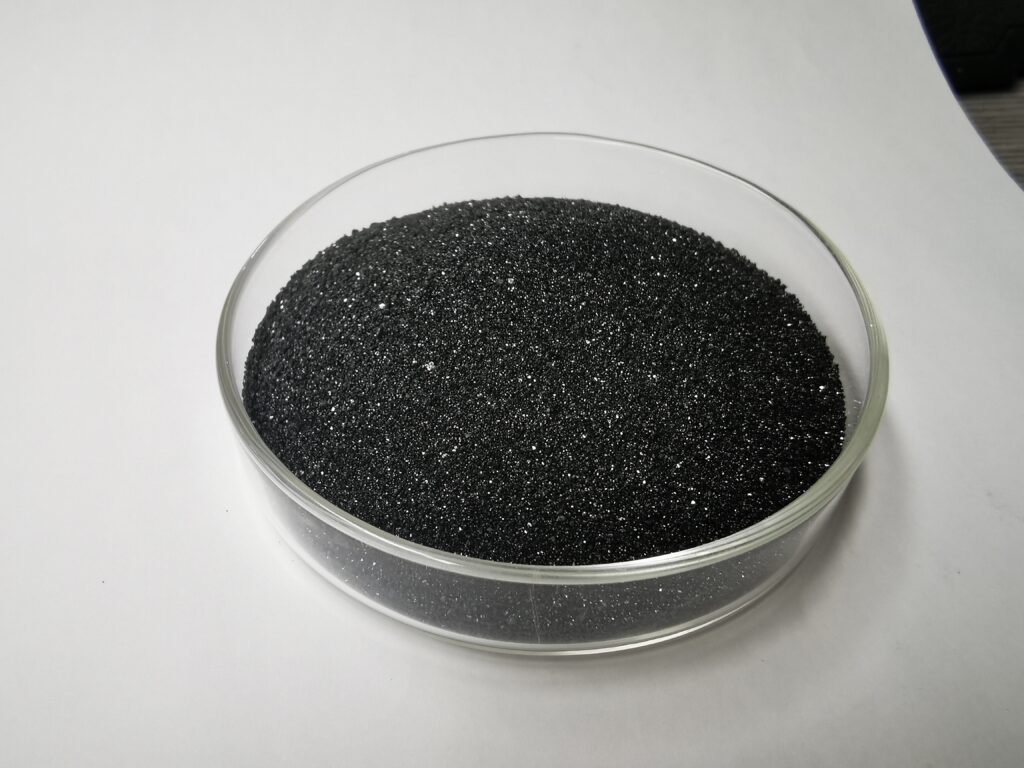
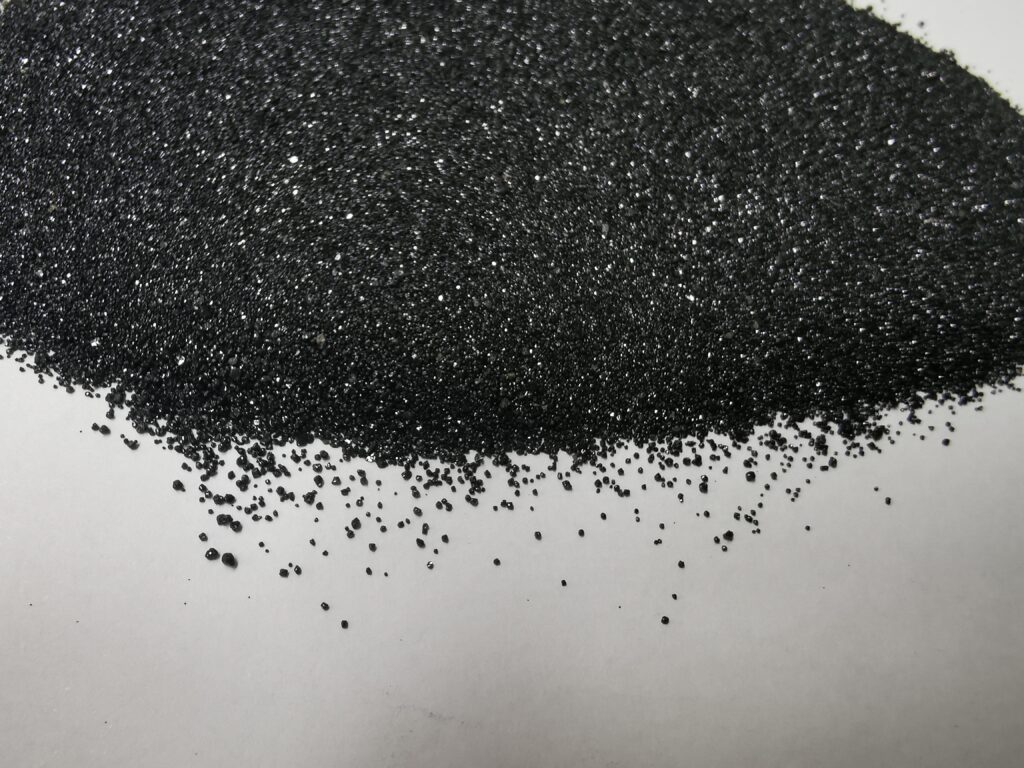
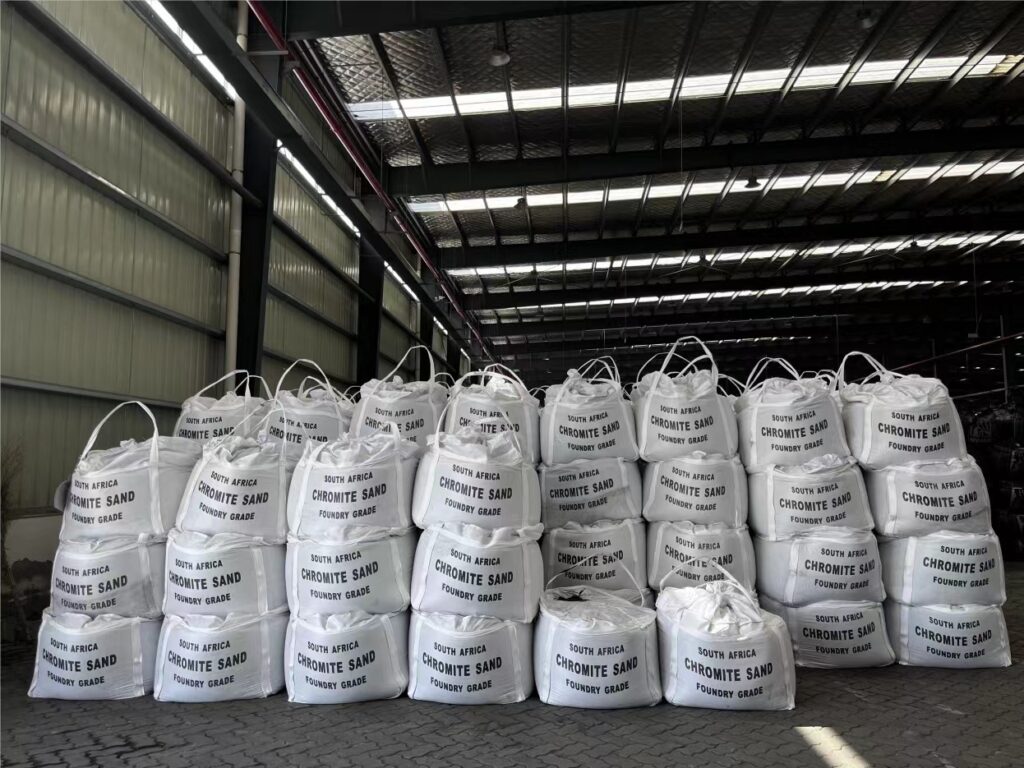
1. Foundry Industry (Largest Application)
Chromite sand is the premium molding/core sand for steel and heavy castings, valued for anti‑burn‑on, low thermal expansion, high chilling, and dimensional stability.
Key Uses
- Molding & core sand (face sand, back sand, core sand)
- For large/heavy steel castings, high‑chromium cast steel, high‑manganese steel, stainless steel (304/316), and complex iron castings.
- Prevents metal penetration and burn‑on; yields smooth surfaces and tight dimensional accuracy.
- Chilling agent (cold iron replacement)
- High thermal conductivity (~3× silica sand) accelerates solidification, reduces hot tearing, shrinkage porosity, and improves grain refinement.
- Lost‑foam & shell molding
- Coarse grades (AFS 20–35) reduce sand inclusion and burn‑on in lost‑foam casting.
- Used for precision cores in shell molding for automotive, hydraulic, and valve castings.
- Foundry coating aggregate
- Ground fine powder boosts coating refractoriness and protects molds from molten metal erosion.
2. Refractory Industry
With melting point >2000°C, excellent slag resistance, and chemical stability, it is a critical raw material for high‑temperature linings.
Key Uses
- Chrome‑containing refractories
- Chrome bricks, chrome‑magnesia bricks, and castables for steelmaking electric arc furnaces (EAF), converters, ladles, and cement kiln burning zones.
- Glass furnace regenerators and checker chambers (resists alkali vapor corrosion).
- Ladle filler/well sand
- Seals sliding gates and nozzles; ensures smooth steel flow and prevents ladle blockage.
- Hot repair mixes
- Fine chromite powder + binder for patching furnace linings without shutdown.
3. Metallurgy & Steelmaking
- Ladle drainage sand
- Improves ladle opening rate and prevents nozzle clogging in continuous casting.
- Alloying & smelting flux
- Source of Cr₂O₃ for chrome alloy production; used in ferrochrome smelting as a flux/additive.
4. Glass & Ceramics
- Glass manufacturing
- Fine powder as a colorant for green glass (beverage bottles, containers) and improves chemical durability.
- Ceramic materials
- Filler/reinforcement in high‑temperature ceramics; enhances hardness, wear resistance, and thermal stability.
- Colorant for ceramic glazes and bodies.
5. Construction & Civil Engineering
- High‑density concrete
- Used in radiation‑shielding concrete (nuclear facilities, hospitals) due to high specific gravity (~4.5–4.8 g/cm³).
- Controlled Low‑Strength Material (CLSM)
- Flowable backfill for trenches, utility corridors, and pipeline bedding; self‑compacting, low strength, and easy re‑excavation.
6. Friction & Abrasive Materials
- Brake linings & clutch facings
- Friction component in automotive and heavy‑duty brakes; improves high‑temperature stability and wear resistance.
- Abrasives
- Blending with other abrasives for grinding wheels and sandpapers requiring high heat resistance.
7. Chemical Industry
- Raw material for chromium chemicals
- Source for chromate, dichromate, chromium oxide pigments, and tanning agents.