
Chromite sand is a high-performance specialty foundry sand mainly composed of FeCr₂O₄ (chromium iron oxide). It is widely used in steel casting, alloy steel and high-temperature alloy casting due to its high refractoriness, high thermal conductivity, low thermal expansion and excellent anti‑penetration properties.
| Cr2O3 | SiO2 | FeO | CaO | MgO | Al2O3 | P | S | Cr/Fe |
| ≥46.0 | ≤1.0% | ≤28.5% | ≤0.3% | ≤9.8% | ≤15.5% | ≤0.003% | ≤0.003% | 1.6 : 1 |
| LOI | Water | Dust | Melting point | PH Value |
| ≤0.5% | ≤0.2% | <0.5% | 2150℃ | 7-9 |
Key Properties
- Chemical composition: Cr₂O₃ ≥ 46% (premium grade); SiO₂ ≤ 1%; CaO ≤ 1%
- Refractoriness: 1850–2180 °C
- Thermal conductivity: 2–3 times that of silica sand
- Thermal expansion: very low, almost no phase transformation expansion
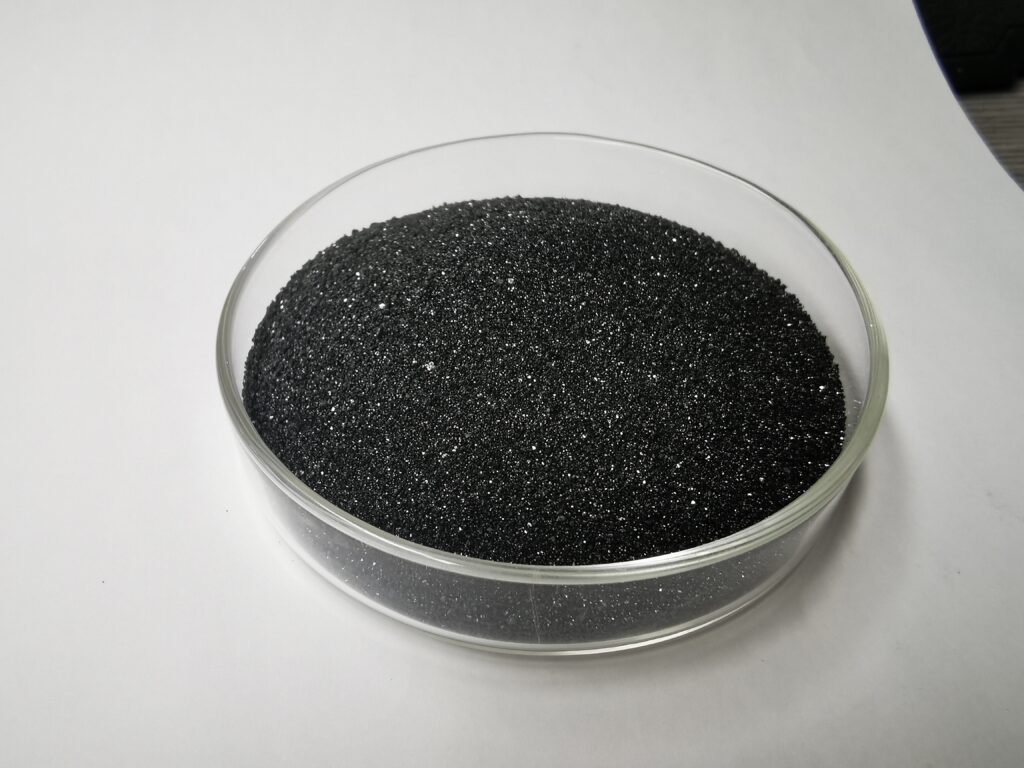
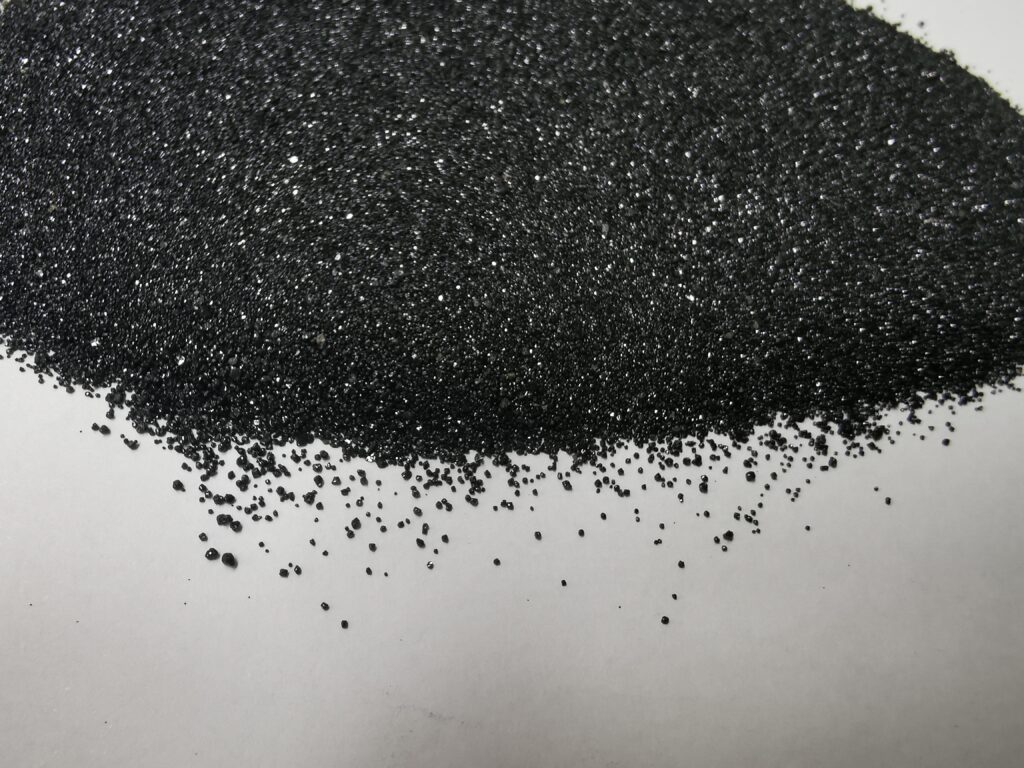
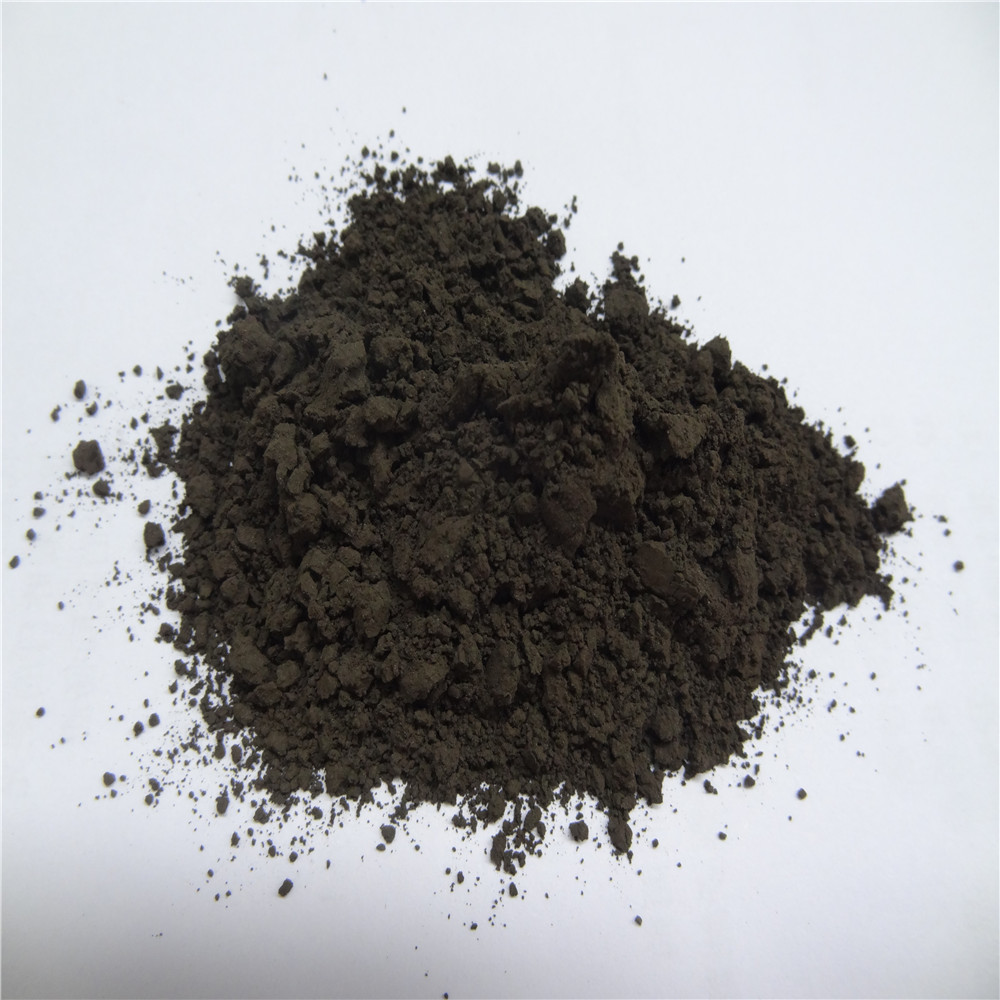
- Color: dark brown to black with metallic luster
- pH: neutral to weakly alkaline, chemically inert to molten steel
Main Advantages in Casting
- Excellent anti‑burn‑on and anti‑penetrationForms a dense sintered layer at high temperature, effectively preventing metal penetration and scabbing.
- Low thermal expansionEliminates veining, cracking, and sand expansion defects, improving dimensional accuracy.
- Strong chilling effectHigh thermal conductivity accelerates solidification, refines grain structure, and reduces shrinkage defects.
- Resistance to molten slag attackStable in alkaline slag environments, ideal for stainless steel, high‑manganese steel and high‑chrome steel.
- High reusabilityCan be recycled many times after magnetic separation and reconditioning.
Typical Applications
- Heavy steel castings: pressure vessels, turbine casings, rolling mill frames
- High‑manganese steel & wear‑resistant parts: crusher jaws, excavator teeth
- Stainless steel & high‑temperature alloy castings
- Precision cores and thin‑wall castings
- Usually used as face sand (15–50 mm thick) with silica sand as backing sand