
Chromite sand is a critical and often indispensable molding material in alloy steel casting, particularly for demanding applications involving high-alloy steels, large castings, and heavy sections. Its unique properties solve many challenges inherent in casting these advanced materials.
1. Advantages of chromite sand
Chromite sand excels where standard silica sand fails, especially with alloys like stainless steel, high-manganese steel, heat-resistant steel, and high-chromium steel.
Exceptional Thermal & Chemical Stability:
High Refractoriness: Melting point >1800°C, easily withstanding alloy steel pouring temperatures (often 1550-1650°C+).
Chemical Inertness: Neutral to slightly basic. It resists wetting and reaction with metallic oxides (FeO, MnO) and basic slags, preventing severe chemical/burn-on penetration—a major issue with reactive elements like Cr, Mn, and Ti in alloy steels.
High Cooling Capacity (Chilling Power):
Thermal conductivity is 3-4 times higher than silica sand. This promotes rapid solidification, which:
Refines the as-cast microstructure, improving mechanical properties.
Reduces porosity and shrinkage defects in heavy sections.
Minimizes metal penetration for a cleaner surface.
Low Thermal Expansion:
Experiences almost no phase changes upon heating, eliminating expansion-related defects like veining, buckles, and rat-tails.
Excellent Reclamation Potential:
Although expensive, it can be effectively dry-reclaimed (crushing, screening, magnetic separation) and reused, improving cost-efficiency.
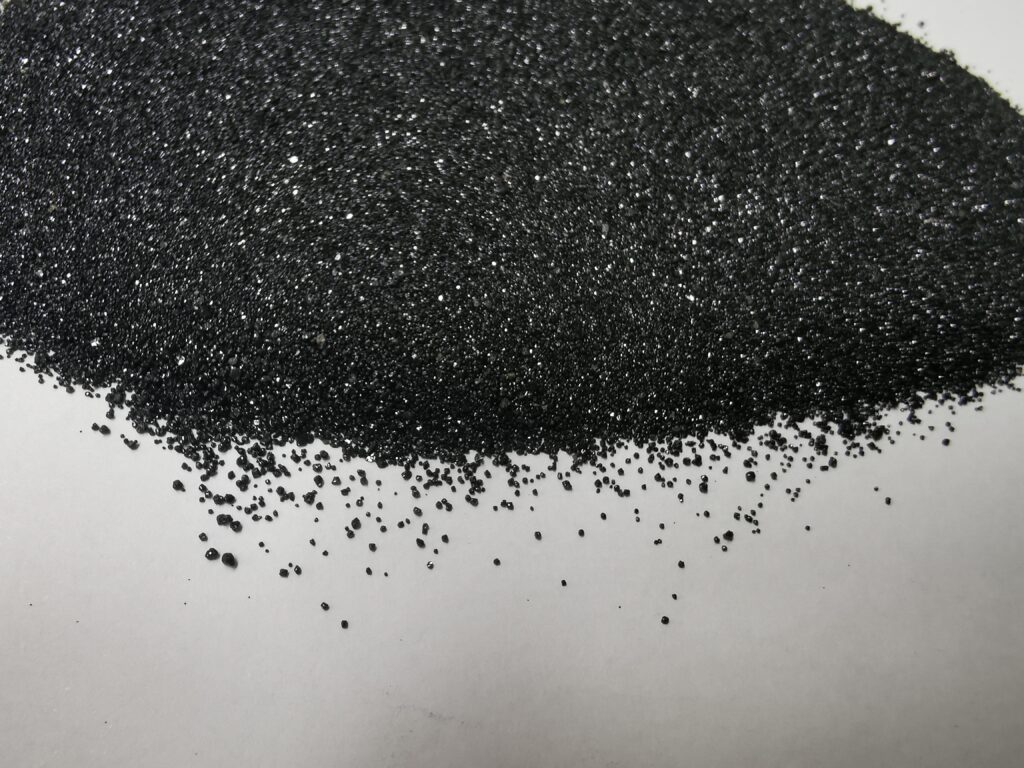
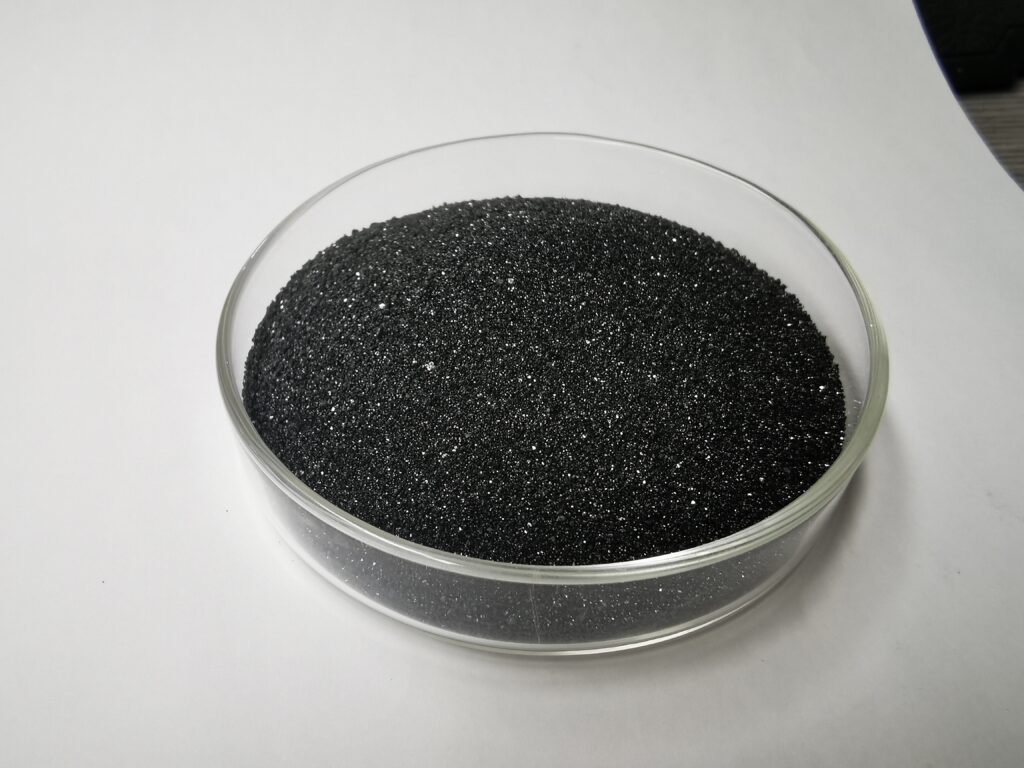
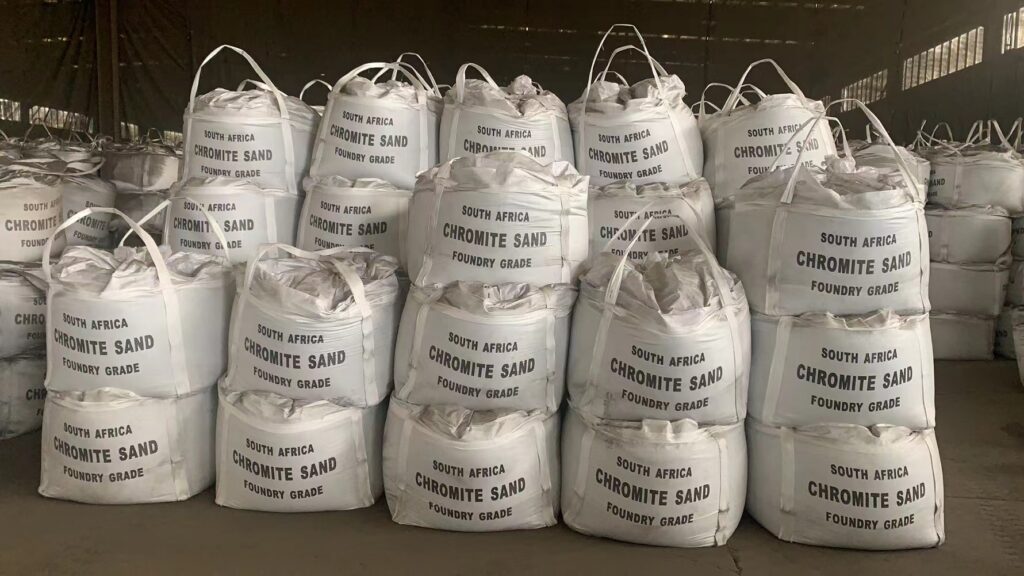
2. Primary Applications in Alloy Steel Castings
| Application | Purpose & Benefit |
|---|---|
| Facing Sand | The most common use. A layer (20-50mm) applied to the mold cavity surface acts as a refractory and inert barrier. Backing sand can be cheaper silica sand. |
| Hot Spots & Thick Sections | Placed in areas prone to shrinkage porosity to accelerate cooling and promote directional solidification. |
| Cores for Complex Internal Features | Used for cores that are difficult to cool or clean, or where metal penetration is likely. |
| Gating & Riser Systems | Prevents erosion of pouring channels, ensuring cleaner metal enters the cavity. |
| Large/Heavy Castings | Virtually essential for components like slag pots, mill housings, pump casings, valve bodies, and turbine components to ensure surface quality and integrity. |
3. Key Specifications of chromite sand
Chemical Composition (% by mass):
Cr₂O₃: ≥ 45% (Premium grades >46%). Primary source of refractoriness.
SiO₂: ≤ 3% (Lower is better). High silica reduces refractoriness and promotes slag reactions.
FeO (as Fe₂O₃): ~18-22%. Must be consistent. Affects the sand’s basicity.
CaO + MgO: Beneficial for basicity, but controlled.
LOI (Loss on Ignition): ≤ 0.5%. Indicates low volatile/water content.
Physical Properties:
AFS Grain Fineness: Commonly 45-55, 55-65, or 70-100. Tighter grain distribution is preferred.
pH: Neutral (~7.0-8.5). Important for resin binder compatibility.
Magnetic Fraction: Should be minimal (<0.5%).
Harmful Elements: Strict limits on Sulfur (S) and Phosphorus (P) to prevent contamination of the steel.