
1. What is Chromite Flour?
Chromite flour is a finely ground powder derived from chromite ore (a mixed oxide of chromium and iron: FeO·Cr₂O₃). It inherits the ore’s exceptional properties but in a form suitable for use in slurries and coatings.
Key Properties:
Very High Refractoriness: >1900°C.
High Thermal Conductivity: Promotes rapid chilling of the casting.
Excellent Thermal & Chemical Stability: Highly resistant to basic slags and metallic oxides (e.g., FeO, MnO).
Low Thermal Expansion: Minimal linear expansion prevents shell cracking.
High Bulk Density (~4.5 g/cm³): Contributes to dense, impermeable coatings.
Neutral Behavior: Chemically inert with most molten alloys.
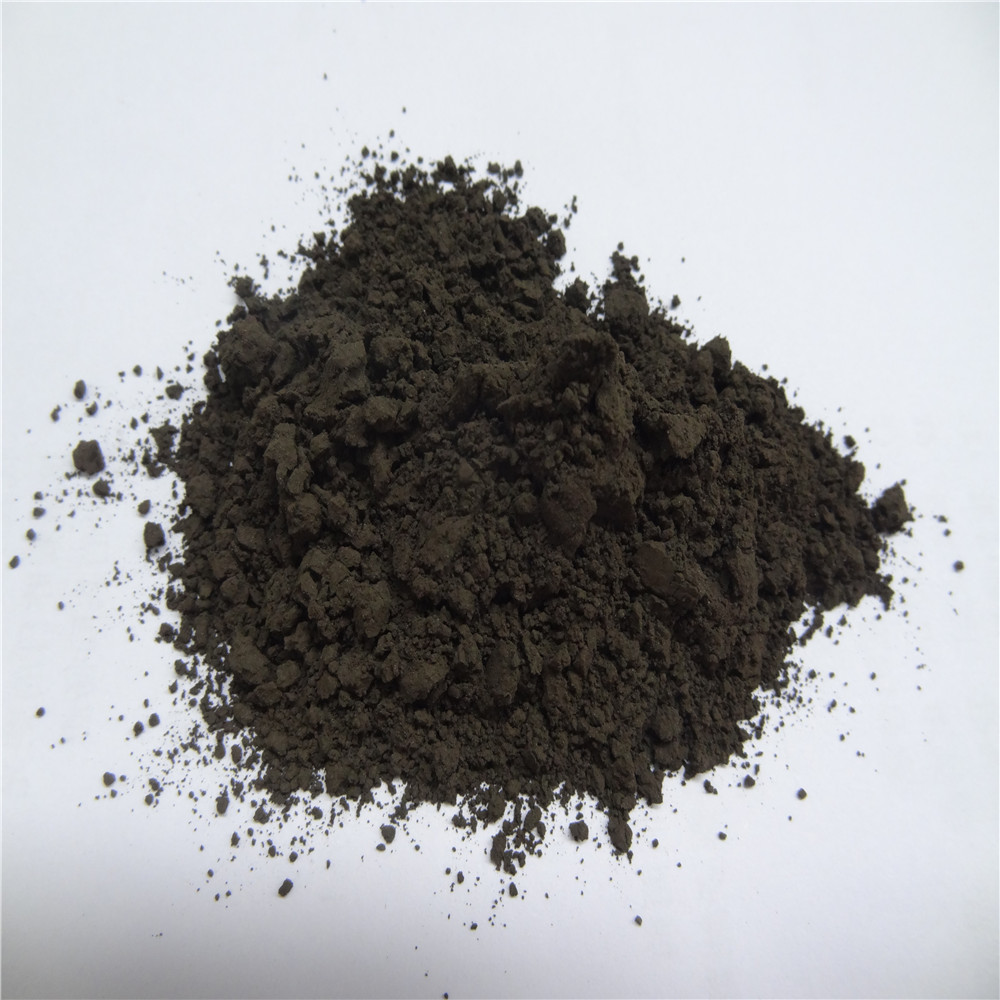
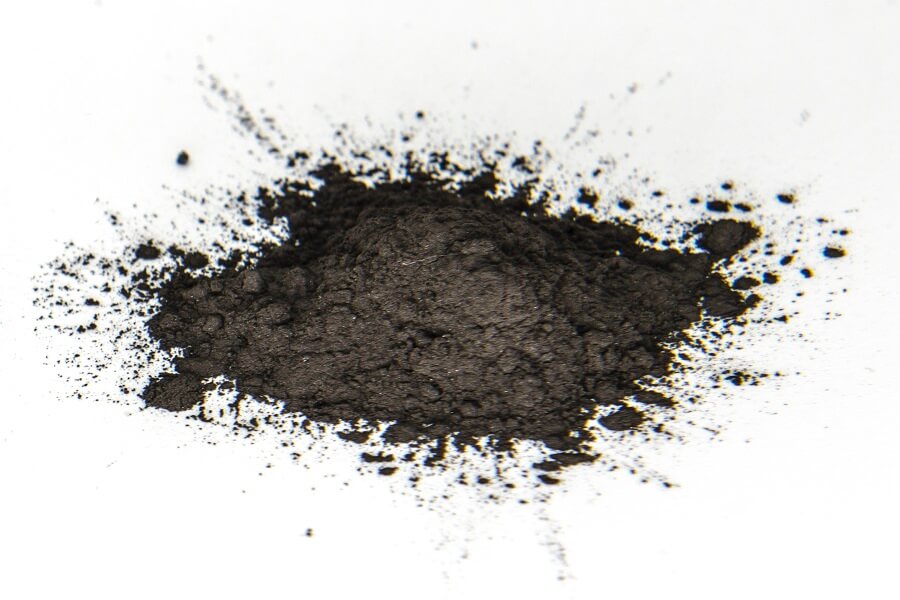
| PHYSICAL PROPERTIES(TYPICAL) | AVERAGE CHEMICAL COMPOSITION(TYPICAL) | ||
| PH | 7-9 | Cr2O3 | ≥46.0% |
| Color | Black | SiO2 | ≤1.0% |
| Acid Amount | ≤2m | Fe2O3 | ≤26.5% |
| Soil% | ≤0.1 | CaO | ≤0.30% |
| Bulk Density | 2.5-3.0g/cm3 | MgO | ≤10.0% |
| Specific Gravity | 4.0-4.8g/cm3 | Al2O3 | ≤15.5% |
| Moisture | ≤0.1% | P | ≤0.003% |
| Sintered temperature | ≥1800℃ | S | ≤0.003% |
| Free Acid | 0 | Cr/Fe | 1.55:1 |
| Filling density | 2.6g/cm3 | ||
| Melting temperature | ≥2180℃ | ||
2. Primary Applications in Foundry
A. Investment Casting (Primary Application)
In investment casting, chromite flour is used as a functional refractory filler in slurries, typically for the primary (face) coat or a secondary coat.
Purpose:
Prevent Chemical Burn-on/Reaction: This is its most critical role. For reactive superalloys (especially those high in Al, Ti – e.g., Ni-based, Co-based) and for austenitic manganese steels, chromite provides a chemically inert barrier that prevents a severe interfacial reaction between the molten metal and the silica-based binder system, which can cause a “glassy” and tenacious sand fusion defect.
Provide Localized Chilling: Its high thermal conductivity helps directional solidification at hot spots, reducing shrinkage porosity and refining grain structure.
Improve Surface Finish: Produces a dense, smooth shell surface that replicates the wax pattern well.
How It’s Used:
Slurry Formulation: Chromite flour is blended with a binder (colloidal silica or ethyl silicate) and wetting/suspension agents to create the primary slurry. It may fully replace or be blended with zircon flour (e.g., 30-70% mix) depending on the alloy and cost considerations.
Application: The ceramic shell is built by repeatedly dipping the wax cluster into this slurry, stuccoing with a coarse refractory grain (often fused silica or alumino-silicate for backup layers), and drying.
B. Sand Casting (Large Steel & Non-Ferrous Castings)
Used as the primary refractory aggregate in mold/core washes (paints).
Purpose:
Prevent Metal Penetration & Burn-on: Its high density and chemical inertness create an excellent barrier against molten metal, especially for heavy-section steel castings and copper-based alloys where high metallostatic pressure is an issue.
Improve Casting Peel: Facilitates easy removal of sand from the casting surface, minimizing cleaning costs.
Achieve Smoother As-Cast Finish.
How It’s Used:
Wash/Paint Formulation: Chromite flour is milled with a carrier (water or alcohol), binders (e.g., resins, clays), and suspension agents to form a stable paint.
Application: The wash is applied by spraying, brushing, or dipping onto the surface of resin-bonded or clay-bonded sand molds/cores. It is then dried (water-based) or flashed-off (alcohol-based).
C. Specialty Applications
Chill Paste/Washes: Applied selectively to mold areas opposite hot spots to act as an external chill.
Additive to Self-Setting Sands: Added in small percentages to acid-cured (furan) or alkaline (phenolic) resin sands when casting highly alloyed steels to improve resistance to burn-on.
3. Comparison with Zircon Flour
| Feature | Chromite Flour | Zircon Flour |
|---|---|---|
| Composition | FeO·Cr₂O₃ | ZrSiO₄ |
| Density | High (~4.5 g/cm³) | Very High (~4.6 g/cm³) |
| Refractoriness | Very High (>1900°C) | Exceptional (>2400°C) |
| Thermal Conductivity | High (Good Chilling) | Moderate |
| Thermal Expansion | Very Low | Low |
| Chemical Nature | Excellent resistance to BASIC slags (FeO, MnO). | Excellent resistance to ACIDIC slags. Less effective against basic oxides. |
| Primary Advantage | Best for reactive alloys (Superalloys, High-Mn Steel). Superior chilling effect. | Best all-rounder. Provides the finest as-cast surface finish. |
| Cost | High | Very High |
| Health & Safety | Dust (Cr³⁺) is a respiratory hazard. Requires strict controls. | Contains low-level natural radioactivity; dust control also needed. |
Selection Rule of Thumb:
Use Zircon Flour for most stainless steels, alloy steels, and applications where supreme surface finish is the top priority.
Use Chromite Flour when casting reactive superalloys (high Al, Ti) or austenitic manganese steel, where preventing chemical reaction is the critical challenge.